
Water Fountains for Cats: Do They Really Help?
Walk into any pet store and you'll find an entire aisle devoted to cat water fountains. These devices promise fresher water, healthier cats, and increased hydration. But do cats actually need them?
The answer depends on the cat.
Cats Are Designed to Get Water from Food
Cats evolved as desert hunters, obtaining much of their hydration from prey animals that contain roughly 70-75% moisture. A cat eating a moisture-rich diet often consumes far less water from a bowl than a cat eating dry food.
Dry kibble typically contains only 6-10% moisture, requiring cats to make up the difference by drinking more water. Unfortunately, cats aren't known for having a strong thirst drive, which is why hydration can become a concern.
Why Hydration Matters
Water supports every major body system, including digestion, circulation, temperature regulation, and kidney function. Chronic dehydration places additional stress on the kidneys and urinary tract. Maintaining adequate hydration is especially important for senior cats and those living with kidney disease.
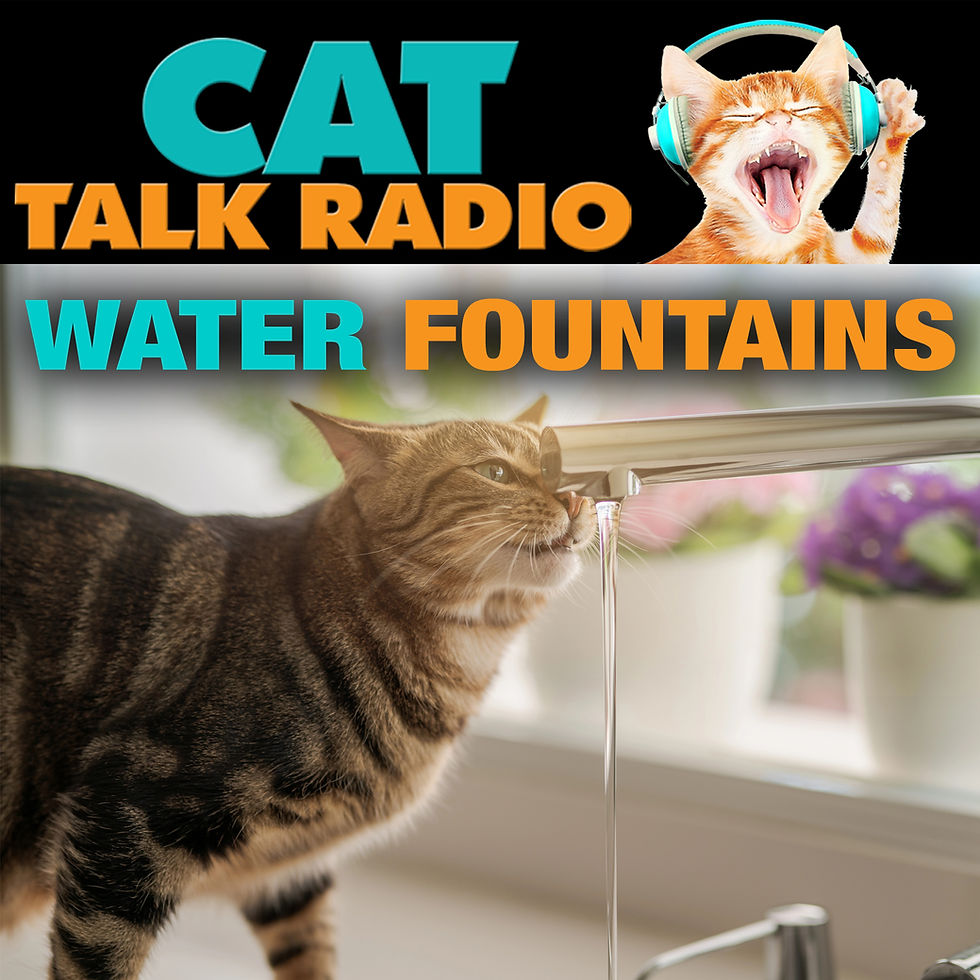
Do Cats Prefer Running Water?
Some do. Some don't.
Many cat guardians assume all cats prefer moving water because their cat drinks from the sink or bathtub faucet. While flowing water may signal freshness, studies suggest individual preference plays a significant role.
Cats are individuals. Some love fountains. Others are perfectly content with a clean bowl.
The Hidden Problem: Biofilm
One of the most overlooked reasons cats reject water is biofilm.
Biofilm is the slimy layer that develops inside water bowls. It's created when bacteria attach to surfaces and begin forming colonies. Because cats possess approximately 200 million scent receptors, they can often detect changes in water quality long before humans notice anything unusual.
Biofilm can begin forming surprisingly quickly, often within a day or two.
How Often Should Water Bowls Be Cleaned?
Ideally, daily.
At minimum, every other day.
Wash bowls with hot water and dish soap, rinse thoroughly, and refill with fresh water. Many cat guardians find it easiest to rotate between multiple bowls so a clean one is always available.
Are Water Fountains Better?
Water fountains can be excellent tools if they encourage a cat to drink more.
However, fountains require maintenance. Pumps, reservoirs, tubing, and filters can accumulate debris and bacterial growth if not cleaned regularly.
A neglected fountain may actually become less hygienic than a regularly cleaned bowl.
What About Filters and UV Sterilization?
Filters help remove hair, food particles, and debris, but they don't eliminate all bacteria. UV systems may reduce microorganisms in circulating water, but they do not prevent biofilm from forming on fountain surfaces.
No fountain is maintenance-free.
Other Ways to Encourage Drinking
Offer multiple water stations.
Keep water away from food bowls.
Use wide, shallow bowls.
Choose stainless steel or ceramic over plastic.
Provide fresh water daily.
Increase moisture in the diet whenever possible.
The Bottom Line
The best water source is the one your cat actually uses.
Whether it's a fountain, a stainless steel bowl, or a favorite sink, your goal is simple: provide water that is clean, fresh, and appealing. Understanding how cats perceive water can help us make choices that support better hydration and better health.


I was reading about the security checks on http://idebitcasino.net and it reminded me that no filter or UV system can replace routine upkeep—same as the article says about fountain biofilm. My own cat drinks more from a simple wide bowl than the expensive fountain I bought, so I’ve learned the hard way that individual preference matters more than the gadget.
This was a really interesting read, especially the part about cats noticing things in their water that we might miss. When I have some free time, I usually switch gears with Subway Surfers Online which is a fun little way to relax and pass the time.